



Selecting the right seat material for stadium bleachers is a decision that impacts spectator comfort, maintenance costs, and system longevity for decades. Two manufacturing processes dominate the industry: blow-molding and injection-molding. Each produces distinct material properties that make them suitable for different applications. Understanding these differences helps facility managers and architects specify seating that meets their venue's specific needs and budget constraints.
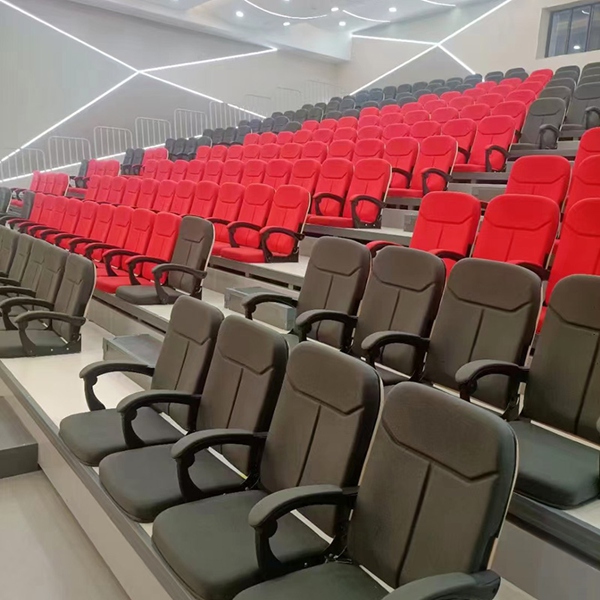
Blow-Molded Seating: Durability Meets Economy
Blow-molded seats are manufactured by extruding molten plastic into a hollow mold, then using air pressure to expand the material against the mold walls. This process creates a double-wall construction that provides excellent structural strength while using less material than solid molding. The resulting seats are lightweight yet capable of supporting loads exceeding 500 pounds per seat, making them ideal for high-traffic stadium applications.
The hollow design also provides natural drainage — a critical feature for outdoor installations. Rainwater flows through strategically placed drain holes rather than pooling on seating surfaces. This drainage prevents freeze-thaw damage in cold climates and reduces slip hazards. Many manufacturers offer blow-molded seats with integrated cup holders and contoured backrests, features that were once exclusive to more expensive injection-molded designs.
Injection-Molded Seating: Precision and Aesthetics
Injection-molding forces molten plastic into a closed mold under high pressure, creating dense, solid seating with exceptional detail resolution. This process allows for more complex geometries, sharper edges, and smoother surface finishes. The resulting seats have a more premium appearance and often provide superior ergonomic support through precisely contoured seating surfaces and backrests.
Color integration represents another advantage of injection-molding. Manufacturers can achieve vibrant, uniform colors throughout the seat material, not just on the surface. This colorfastness resists fading even under intense UV exposure. Injection-molded seats also accept secondary operations like engraving, embossing, and the integration of armrests or folding mechanisms more readily than blow-molded alternatives.
Comparing Comfort and Ergonomics
Comfort in bleacher seating extends beyond simple cushioning. Seat width, backrest angle, and lumbar support all contribute to spectator experience during multi-hour events. Injection-molded seats typically offer superior ergonomics due to the manufacturing process's ability to create complex curves and varying wall thicknesses. Premium models feature contoured backrests that follow the natural spine curvature, reducing fatigue during long events.
Blow-molded seats have historically trailed in comfort, but recent design innovations have narrowed the gap considerably. Modern blow-molded seats incorporate subtle contours, flexible backrests, and textured surfaces that improve grip and comfort. Some manufacturers now offer blow-molded seats with optional upholstered pads that attach via molded-in receivers, providing cushioning without compromising the base seat's durability.
Making the Right Choice for Your Venue
Budget considerations inevitably influence material selection, but total cost of ownership provides a more accurate comparison. Blow-molded seats typically cost 20-30% less upfront than injection-molded equivalents. However, injection-molded seats often provide longer service life in high-abuse environments like professional sports venues. School gymnasiums and community centers frequently find blow-molded seats offer the best balance of durability, comfort, and affordability.
Consult with an experienced stadium seat manufacturer to evaluate your specific requirements. Reputable suppliers provide material samples, load test data, and case studies from similar installations. They can also advise on ancillary considerations like ADA compliance, row spacing, and integration with existing bleacher structures. This consultative approach ensures your seating investment delivers decades of reliable service and satisfied spectators.
References:
ASTM F851-05(2018) Standard Test Method for Evaluating the Stability of Passenger Cars
Society of Plastics Engineers (SPE) Blow Molding Division Technical Resources
International Association of Venue Managers (IAVM) Seating Guidelines
ISO 9001:2015 Quality Management Systems in Seating Manufacturing