



Sports wooden flooring represents far more than aesthetic choice — it's a critical performance surface that affects athlete safety, ball bounce consistency, and facility acoustics. The legendary "bounce" of a properly installed maple hardwood court isn't accidental; it results from precise engineering that balances shock absorption, ball rebound, and surface friction. Understanding flooring standards and options helps venue managers specify systems that deliver optimal performance for decades.
Performance Standards and Certifications
The gold standard for sports flooring performance comes from DIN (Deutsches Institut für Normung) standards, specifically DIN 18032-2. This German standard specifies critical performance metrics: ball rebound (minimum 90%), shock absorption (minimum 53%), and rolling load capacity (minimum 1500N). FIBA (International Basketball Federation) Technical Regulations incorporate these DIN standards for official competition courts, making DIN compliance essential for venues hosting elite-level events.
ASTM F2772 provides the North American equivalent, measuring similar performance characteristics through standardized test methods. Quality sports flooring suppliers provide third-party test reports verifying compliance with these standards. Specifying certified flooring protects athletes, ensures consistent play characteristics, and demonstrates due diligence in facility management. Never accept manufacturer claims without documented test data from accredited laboratories.
Maple Hardwood: The Traditional Choice
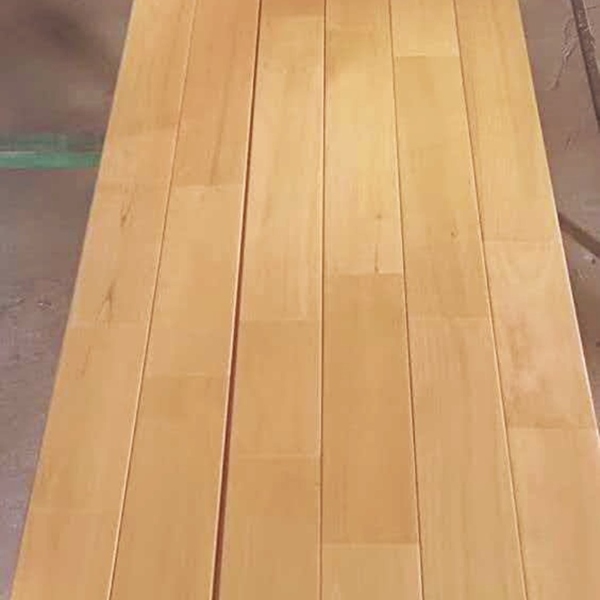
Northern hard maple remains the premier choice for basketball and multi-sport courts. The wood's tight grain structure, high density (typically 43-47 lbs/ft³), and light color create ideal playing characteristics. Properly installed and maintained maple courts can last 40-50 years, with periodic resurfacing restoring appearance and performance. The classic look of maple has become synonymous with basketball, making it the default choice for schools, universities, and professional venues.
Installation systems significantly impact performance. Fixed systems anchor the subfloor and surface permanently to the building structure, providing maximum stability but zero shock absorption. Floating systems use padded sleepers or foam underlayment to create a resilient surface that reduces athlete fatigue and injury risk. Premium installations employ anchored resilient systems combining the stability of fixed floors with the shock absorption of floating systems. The choice depends on budget, performance requirements, and subfloor conditions.
Engineered and Synthetic Alternatives
Engineered wood flooring addresses some limitations of solid hardwood. Cross-laminated construction reduces expansion and contraction from humidity changes, improving dimensional stability. These systems often incorporate foam or rubber underlayment for enhanced shock absorption. While not suitable for elite competition, engineered floors offer excellent performance for training facilities, multi-purpose gyms, and budget-conscious installations.
Synthetic surfaces — PVC, polyurethane, and rubber — dominate in high-traffic, multi-sport applications. These surfaces handle roller skates, heavy equipment, and abrasive activities that would damage wood finishes. Modern synthetics approximate wood appearance while providing superior durability and lower maintenance. They also excel in moisture-prone environments where wood flooring risks warping or mold growth. Many facilities install synthetic surfaces in auxiliary gyms while reserving maple hardwood for competition courts.
Maintenance for Longevity
Proper maintenance extends sports flooring lifespan dramatically. Daily dust mopping removes abrasive particles that scratch finishes. Annual screening and recoating restores surface protection without full sanding. Complete resurfacing every 10-15 years rejuvenates the floor, though this requires professional equipment and expertise. Humidity control is equally critical — maintain 35-50% relative humidity year-round to prevent excessive expansion or contraction.
Selecting an experienced sports flooring supplier ensures proper system selection, professional installation, and ongoing maintenance support. Reputable suppliers employ certified installers, provide written warranties covering materials and workmanship, and offer maintenance training for facility staff. This comprehensive support protects your flooring investment and ensures optimal performance for athletes and spectators alike.
References:
DIN 18032-2 Sports Halls - Halls for Gymnastics and Games
ASTM F2772 Standard Test Method for Athletic Performance of Wood Sports Flooring
FIBA Technical Regulations for Equipment and Venues
Maple Flooring Manufacturers Association (MFMA) Grading Rules