



Auditorium Seating Comfort Design: Ergonomics and Acoustics Integration
Auditorium seating design sits at the intersection of ergonomics, architecture, and acoustics. Unlike stadium bleachers where spectators might sit for two hours, auditorium events can last four hours or more. Every aspect of seat design — from cushion density to sightline angles — directly impacts audience engagement and satisfaction. Modern auditorium seating goes far beyond basic chairs, incorporating sophisticated ergonomic principles and acoustic considerations that enhance both comfort and venue performance.
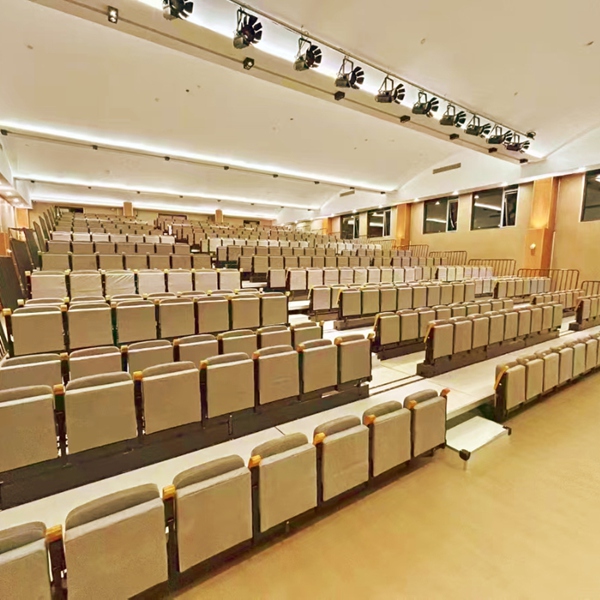
Ergonomic Foundations of Auditorium Seating
Human factors engineering drives modern auditorium seat design. The ideal seat supports the natural curvature of the spine, with lumbar support positioned at approximately 10-12 inches above the seat pan. Seat pan depth should accommodate the 5th percentile female to 95th percentile male range — typically 15-18 inches deep with a slight downward slope toward the front to reduce pressure behind the knees. Backrest height usually falls between 30-36 inches above the seat pan, providing shoulder blade support without interfering with ingress or egress.
Cushioning deserves particular attention. High-density foam (2.5-3.5 lb/ft³) provides initial comfort but must balance firmness with pressure relief. Premium auditorium chairs use multi-layer foam systems with softer top layers over firmer base foam. This approach prevents the "bottoming out" sensation while maintaining support throughout long performances. Some manufacturers now incorporate viscoelastic (memory) foam in key pressure points, though this adds cost and may retain heat in warm climates.
Sightline Geometry and Row Spacing
Proper sightlines require careful coordination between seat height, row spacing, and auditorium floor slope. The standard formula positions each row high enough that spectators in the row behind have a clear view over the heads of those in front. This typically requires 12-15 inches of rise between rows combined with 30-36 inches of horizontal row spacing. Stadium-style auditorium seating can reduce row spacing to 28-30 inches while maintaining sightlines through steeper floor slopes.
Eye-level calculations must account for the performance surface height and the tallest expected spectator. Acoustic engineers often specify seating layouts that minimize head obstruction in sound wave paths. This attention to detail ensures that sightlines and sound quality work together, rather than competing design objectives. Experienced auditorium seat suppliers provide layout software that models sightlines and calculates optimal row spacing for specific venue geometries.
Acoustics Integration in Seat Design
Auditorium seats occupy significant surface area and directly impact room acoustics. Upholstered seating absorbs sound, reducing reverberation time and preventing excessive echo. The amount of absorption depends on cushion thickness, fabric type, and the percentage of seat surface area that's soft versus rigid. Acoustic consultants specify seating absorption coefficients (typically 0.6-0.8 for fully upholstered chairs) during the design phase to achieve target reverberation times.
Seat backing materials also influence sound reflection patterns. Hard plastic or wood backrests can create undesirable reflections if positioned incorrectly relative to sound sources. Some premium auditorium designs incorporate diffusive elements into seat backs, scattering sound energy to reduce standing waves and improve tonal balance. These sophisticated acoustic treatments require close collaboration between seating manufacturers and acoustical engineering firms during the design process.
Accessibility and Inclusive Design
Modern auditorium seating must accommodate diverse body types and mobility needs. ADA-compliant seating requires specific clear floor spaces, companion seating, and accessible routes to all seating areas. But true inclusive design goes beyond minimum compliance. Seats with power-assisted lifting mechanisms help elderly or mobility-impaired patrons stand up. Wider seat options (22-24 inches vs. standard 20-21 inches) accommodate larger body types comfortably. Removable armrests on aisle seats facilitate wheelchair transfers and provide flexibility for different user needs.
Selecting the right auditorium seating partner makes the difference between a good installation and a great one. Established suppliers offer comprehensive design services, from initial space planning through installation and commissioning. They understand the interplay between comfort, sightlines, acoustics, and accessibility — and can help you navigate the complex decisions that create truly world-class auditorium experiences for every spectator.
References:
ANSI/RESNA WC/Vol 1-4 Wheelchair Standards for Accessible Seating
Audio Engineering Society (AES) Standards on Room Acoustics
Human Factors and Ergonomics Society (HFES) Seating Guidelines
ISO 9001:2015 Quality Management Systems for Seating Manufacturing